The Lisbon Guide
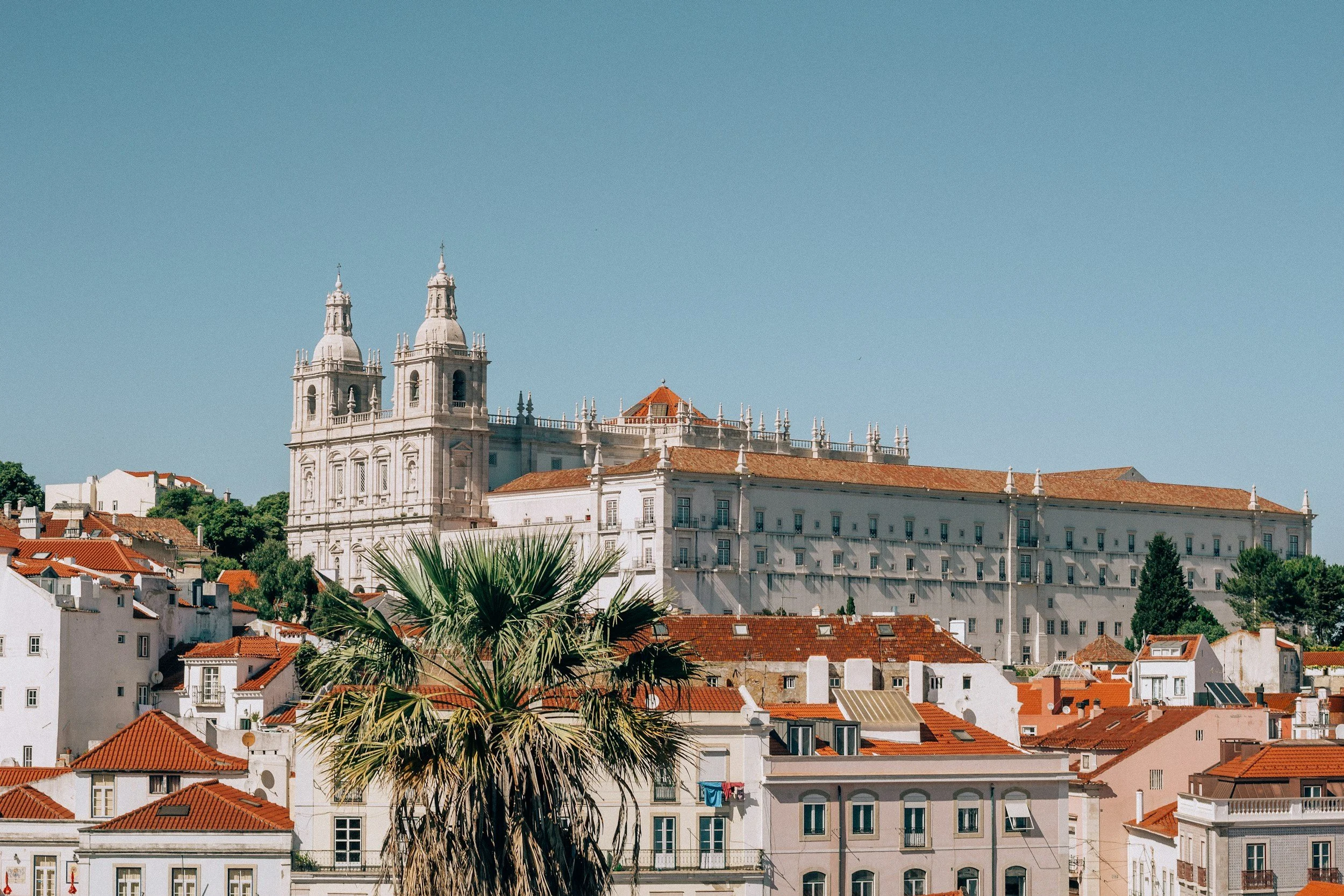
Lisbon is having a moment. Over the past decade, Portugal’s sun drenched capital has quietly become one of Europe’s coolest cities, drawing chefs, designers, artists, entrepreneurs, and expats from around the world who have fallen for its particular rhythm of life. Set across seven hills overlooking the Tagus River, the city unfolds in layers of muted pastel buildings, terracotta rooftops, and intricate tiled façades that seem to glow in the golden light. Historic trams climb steep cobblestone streets, music drifts from open windows, and rooftop terraces reveal sweeping river views at nearly every turn. What makes Lisbon so compelling is the lifestyle it offers. Within minutes you can move from buzzing city streets to Atlantic beaches, forested hills, vineyards, or surf breaks along the coast. The food scene is thriving, independent boutiques and design studios continue to open across the city, and there’s a palpable sense that creative energy has been quietly converging here. Lisbon manages to feel historic and modern at the same time, relaxed but vibrant, sophisticated yet wonderfully unpretentious, which is exactly why so many people are discovering that it’s not just a beautiful place to visit, but an incredibly exciting place to spend time.
STAY
The Lisboans is a beautifully designed boutique aparthotel tucked along a quiet street near Alfama and the Tagus River. The property was created to feel more like a thoughtfully curated Lisbon residence than a traditional hotel, with spacious apartments, warm natural materials, and understated interiors that make each space feel calm and welcoming. Guests have access to the nearby restaurant Prado, the celebrated farm to table spot from the same hospitality group, which reflects the brand’s philosophy of thoughtful design, sustainability, and connection to Portuguese culture. It’s an ideal choice for travelers who want the comfort of an apartment while still feeling immersed in the city.
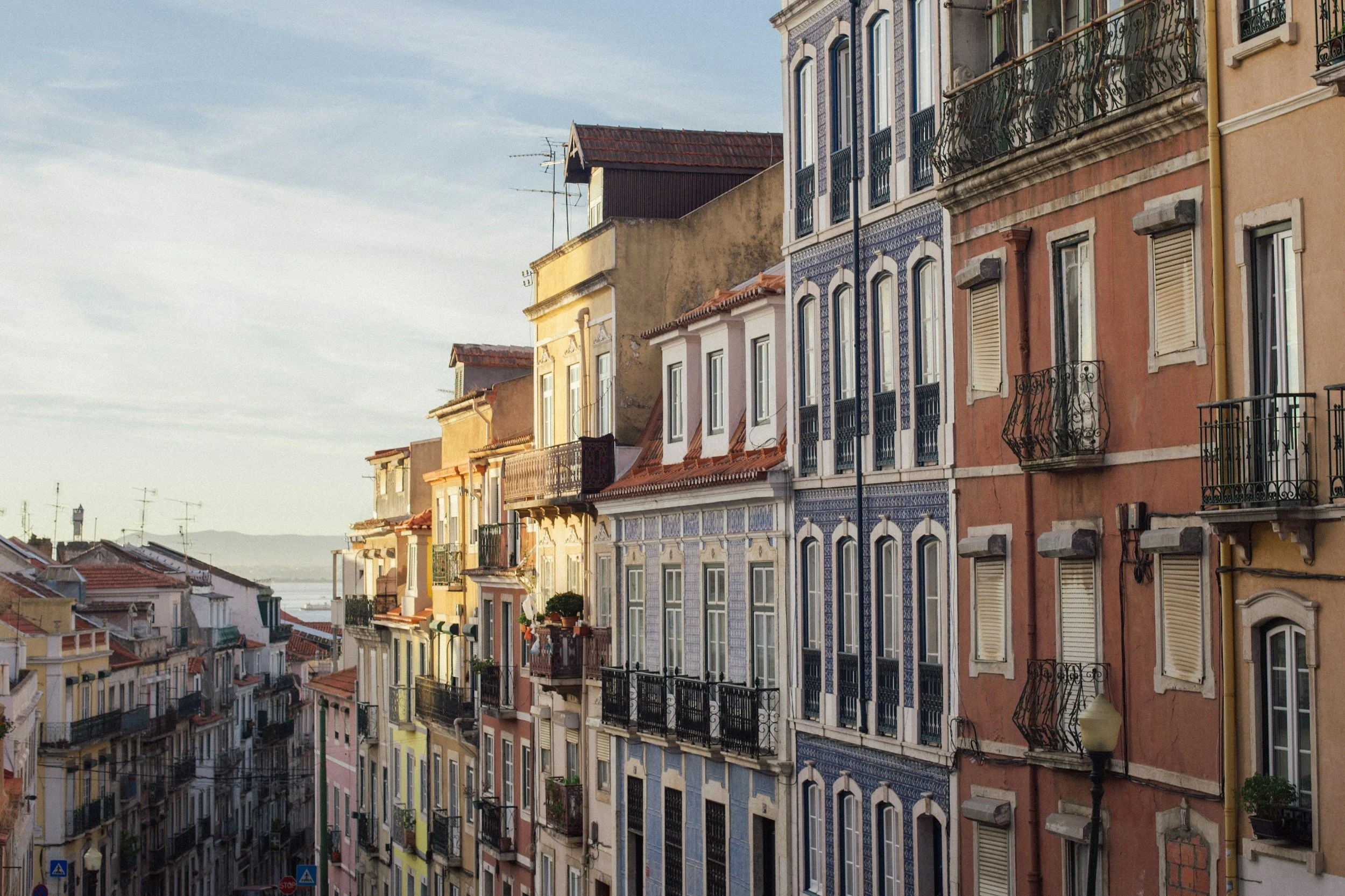
Baixa House occupies a restored eighteenth century building in Lisbon’s historic Baixa district and offers some of the city’s most elegant apartment style accommodations. Each residence has been meticulously renovated to preserve original architectural details such as wooden shutters, patterned mosaic floors, and soaring ceilings while incorporating modern furnishings and soft neutral tones. Sunlight pours through tall windows overlooking the orderly streets of downtown Lisbon, giving the spaces a bright, airy feel. Staying here feels like inhabiting a beautifully restored Lisbon townhouse.
Boutique Chiado is a small, contemporary hotel perfectly positioned in one of Lisbon’s most energetic neighborhoods. Located just steps from historic cafés, theaters, and some of the city’s most celebrated restaurants, the property places you in the heart of Lisbon’s cultural life. The design is modern and minimal, offering a clean and comfortable retreat after a day exploring the city’s lively streets. It’s a wonderful choice for travelers who want a central location and easy access to everything Chiado has to offer.
Memmo Príncipe Real is one of Lisbon’s most iconic boutique hotels and a favorite gathering place for both travelers and locals. Perched high above the rooftops of Príncipe Real, the hotel offers sweeping panoramic views that stretch across the city and toward the Tagus River. The design is sleek and contemporary, but the real highlight is the terrace, where the pool, restaurant, and bar create one of Lisbon’s most coveted sunset spots. It’s the kind of place where people linger over cocktails as the city slowly lights up below.
Lisbon is one of the best cities in Europe to book an Airbnb because so many historic apartments have been beautifully restored. Many buildings still feature original tilework, ornate ceilings, tall windows, and intricate architectural details that reflect the city’s centuries-old character. Staying in one of these apartments allows visitors to experience Lisbon in a more residential and authentic way. In neighborhoods like Príncipe Real or Chiado, it can feel as though you are briefly living within the rhythm of the city rather than simply passing through.
EAT
100 Maneiras is one of Lisbon’s most distinctive dining experiences. Chef Ljubomir Stanisic’s Michelin-starred restaurant presents a multi-course tasting menu that blends Portuguese ingredients with contemporary techniques and influences from the chef’s Balkan heritage. Each course arrives with artistic presentation and unexpected flavor combinations that make the entire meal feel like a carefully choreographed experience. It was also where I had the best gluten-free bread I’ve ever tasted, which says a lot considering how rarely gluten-free bread feels truly memorable.
Prado has become one of Lisbon’s most celebrated restaurants for its dedication to seasonal Portuguese ingredients. The kitchen works closely with farmers and fishermen across the country, building its menu around whatever is freshest that day. Dishes feel modern and vibrant while still rooted in traditional flavors, often highlighting vegetables, seafood, and carefully sourced meats. The airy dining room and relaxed atmosphere make it a wonderful place for a long, leisurely dinner.
Alma is chef Henrique Sá Pessoa’s acclaimed Michelin-starred restaurant located in the Chiado district. The menu reinterprets classic Portuguese cuisine with contemporary techniques and elegant plating, often focusing on seafood, Iberian pork, and regional ingredients. The dining room feels polished and refined without being overly formal, allowing the food to remain the focus of the evening. For travelers looking for Lisbon’s fine dining scene at its most sophisticated, Alma delivers a beautiful experience.
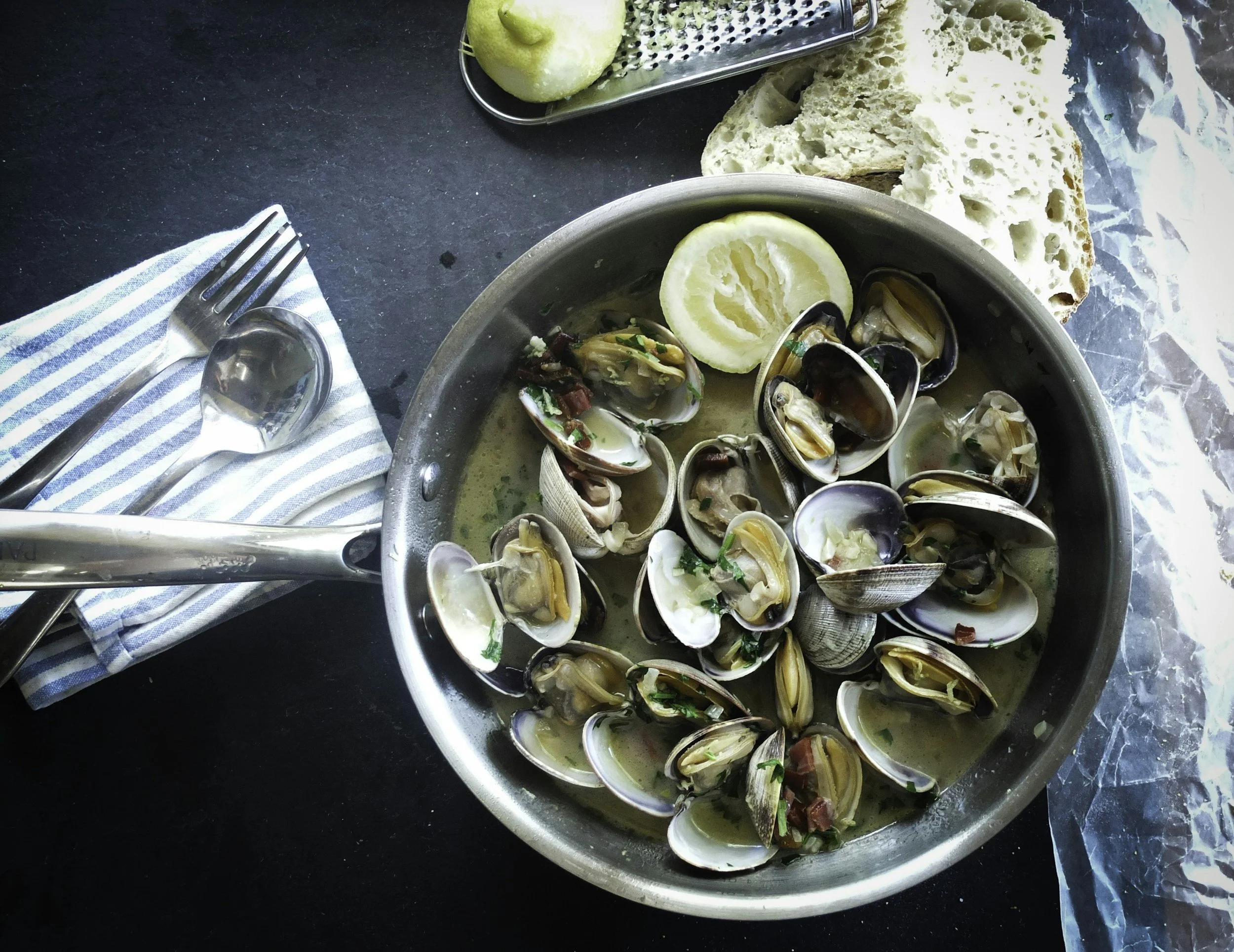
Cervejaria Ramiro is a Lisbon institution and one of the city’s most famous seafood restaurants. The menu focuses on impeccably fresh shellfish served simply so the quality of the seafood shines, from giant tiger prawns to garlicky clams and whole crab. The atmosphere is lively and energetic, with tables filled with locals and visitors sharing plates and glasses of beer or vinho verde. It’s casual, loud, and absolutely unforgettable.
Pap’Açôrda is a beloved Lisbon classic known for its comforting interpretations of traditional Portuguese cuisine. The restaurant’s signature dish is açorda, a rustic bread stew enriched with seafood, garlic, herbs, and olive oil that reflects the soul of Portuguese home cooking. Located within the bustling Time Out Market, the space combines nostalgic flavors with a lively, modern setting. The famous chocolate mousse has become a must-order dessert among locals.
DO
Jerónimos Monastery is one of Lisbon’s most extraordinary landmarks and a UNESCO World Heritage site that reflects the grandeur of Portugal’s Age of Discoveries. Built in the sixteenth century, the monastery is a masterpiece of Manueline architecture, filled with intricate maritime carvings, elaborate stonework, and breathtaking cloisters that feel almost impossibly detailed. It is one of the most visited attractions in Lisbon, and the lines can become incredibly long, so it’s well worth purchasing tickets in advance. Walking through the cloisters offers a powerful glimpse into the moment when Portugal stood at the center of global exploration.
Museum of Art, Architecture and Technology (MAAT)
MAAT, the Museum of Art, Architecture and Technology, is one of Lisbon’s most striking contemporary landmarks. The building itself is a sweeping, sculptural structure designed to resemble an ocean wave rising from the banks of the Tagus River, and visitors can walk across its curved rooftop for panoramic views of the water and city skyline. Inside, exhibitions explore contemporary art, architecture, and technology through immersive installations and design-driven programming. Even if you come primarily for the architecture and riverfront views, the museum offers one of Lisbon’s most visually compelling cultural experiences.
The Calouste Gulbenkian Museum houses one of Europe’s most remarkable private art collections, assembled by Armenian oil magnate and collector Calouste Gulbenkian. The museum spans thousands of years of artistic history, featuring everything from ancient Egyptian artifacts and Persian ceramics to masterpieces by Rembrandt, Monet, and Renoir. Set within tranquil gardens and reflective pools, the museum offers a quiet and contemplative escape from Lisbon’s busier neighborhoods. It’s one of the city’s most rewarding cultural experiences for anyone interested in art and history.
Belém Tower is one of Lisbon’s most iconic landmarks and an enduring symbol of Portugal’s Age of Discoveries. Built in the early sixteenth century as a fortress guarding the entrance to the city’s harbor, the tower once welcomed returning explorers after their voyages across the Atlantic. Its intricate Manueline architecture features carved stone details inspired by maritime motifs, giving the structure a distinctly Portuguese character. Standing along the river’s edge, it offers a striking glimpse into Lisbon’s seafaring past and remains one of the most photographed sites in the city.
Day Trip to Sintra
A day trip to Sintra feels like stepping into a fairytale. Just forty minutes from Lisbon, the lush hills of Sintra are filled with extravagant palaces, historic estates, and romantic gardens once built by Portuguese royalty seeking cooler mountain air. There are more than a dozen historic sites to explore in the area, but two that truly stood out were Pena Palace and Quinta da Regaleira. The colorful Pena Palace rises dramatically above the landscape and is often rumored to have inspired the castle in Beauty and the Beast, while Quinta da Regaleira enchants visitors with its extraordinary architecture, lush gardens, hidden tunnels, and the famous spiral Initiation Well, which is steeped in lore tied to mysticism, secret societies, and ritual descent. With its misty forests, whimsical architecture, and charming cafés scattered throughout the town center, Sintra offers one of the most magical excursions in Portugal.

SHOP
Avenida da Liberdade is Lisbon’s grand luxury boulevard and the city’s equivalent of Fifth Avenue or the Champs-Élysées. Wide, tree-lined promenades and intricate mosaic sidewalks lead past elegant buildings that house flagship boutiques from brands like Louis Vuitton, Prada, Cartier, and Dior. The avenue feels sophisticated and cosmopolitan, with cafés and historic theaters adding to the atmosphere. Even if you’re simply window shopping, it’s one of Lisbon’s most beautiful streets for an afternoon stroll.
Fashion Clinic is one of Lisbon’s most curated designer boutiques and a favorite among the city’s fashion crowd. The store carries a carefully edited mix of international labels such as Saint Laurent, Bottega Veneta, and Zimmermann, presented in a sleek, gallery-like environment. The selection leans toward modern silhouettes and statement pieces chosen with a strong editorial eye. It feels less like a traditional boutique and more like stepping into a beautifully curated fashion closet.
Stivali offers a more classic luxury shopping experience focused on timeless European fashion houses. The boutique carries designers such as Chanel, Valentino, and Balmain in an elegant setting that feels intimate and refined. The emphasis here is on beautifully tailored pieces, eveningwear, and sophisticated wardrobe staples. For travelers looking for polished European style, Stivali delivers a distinctly upscale retail experience.
Embaixada is one of the most unique shopping destinations in Lisbon. Located inside a stunning nineteenth-century Moorish palace in the Príncipe Real neighborhood, the concept store houses independent Portuguese designers and artisans across several ornate rooms. Visitors can browse fashion, jewelry, ceramics, and home goods while admiring the building’s intricate arches and decorative details. It’s part design gallery, part shopping experience, and entirely memorable.
Comur celebrates one of Lisbon’s most beloved culinary traditions: beautifully preserved seafood. The colorful shop is filled with vibrant tins of sardines, tuna, mackerel, and other delicacies prepared in a variety of flavors and sauces. Portugal takes canned fish seriously, and these tins are packaged almost like collectible works of art. It’s the kind of place where you might walk in out of curiosity and leave with a bag full of beautifully designed edible souvenirs.